
When you stop and think about it, many of the most challenging moments in the life of a leader are when you need to influence people in order to get things done. Maybe you are trying to help one of your team mates improve their performance. Maybe you are trying to get your team to adopt a new business practice. Maybe you are trying to convince a customer to do business with you. The skill you need in all these situations is the ability to “influence”.
There are many great stories about leaders who were particularly adept at using influence. Some used their influence skills for good and some for evil.
Let’s look at one of each.
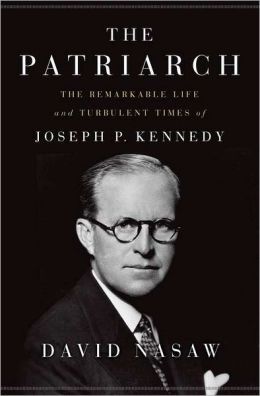
Joseph P. Kennedy – A Master of Influence. I recently finished The Patriarch by David Nasaw, which is a biography of Joseph P. Kennedy. As you may know Joe Kennedy was the father of John, Robert, and Ted Kennedy as well as six other children. Nasaw had total access to all of the Kennedy papers since this biography had the support of the Kennedy family. Kennedy was one of the most influential people in our country during the 1920s and 1930s. He made money during WWI, the roaring 20s, and more than doubled his fortune during the first years of the Depression. Many of his successful ventures were clever schemes that enriched him at someone else’s expense.
In Nasaw’s book, we could read Kennedy’s actual notes and telegrams. We could see how much he loved his children and pushed them to achieve excellence. But we could also see how his mind worked and how he manipulated people and situations for his own benefit. He seemed to deceive himself into thinking that his behavior was acceptable because he was making money for his family. He also donated heavily to the Catholic Church, which one of his lovers, Gloria Swanson, said he used to forgive him for his many sins.
One of the many lessons you take away from this book is how effective Kennedy was at using influence. And his ability to influence people came from his position and money, not his personal beliefs or vision. By the early 1940s it is likely he had many more enemies than he had friends.

George Clooney and the Sudan. Movie stars are not usually people we turn to for leadership examples. However, in this discussion about the effective use of influence, I think George Clooney is an excellent example. In 2005 after learning about the plight of Darfur, he got involved by helping to move the international spotlight onto the Sudan and the violence that country’s leader was using against his own people. Clooney knew that the cameras followed him wherever he went, so he went to Sudan. He got involved. He not only became very well informed on the situation, he used his fame to involve the United Nations. In this video piece on PBS News Hour, you can hear how he is able to effectively articulate the situation. His influence helped South Sudan obtain their independence. He is still keeping the spotlight on the area, having been arrested there last year for his protests.
Developing Your Own Influence Recipe. Today’s organizations need leaders who can effectively influence people using personal relationships and collaboration. When we lead others we influence them by (1) communicating our vision, (2) aligning their skills and talents, and (3) motivating them to overcome obstacles. (Kotter)
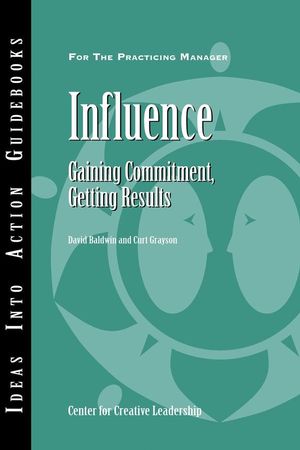
David Baldwin and Curt Grayson, who co-authored the book Influence: Gaining Commitment, Getting Results, remind us there are really two types of inter-personal power that influence people – personal and positional.
Personal power influences people to do things because they trust you and they want to do things because of your relationship. Positional power influences people to do things often because they feel they have to. While there are times to use each, most people are more likely to commit to actions when personal power is used.
When you are facing a situation that requires you to influence someone, Baldwin and Grayson suggest you “map out” a plan. Here are the steps they suggest:
- What is the goal of your influence effort?
- Who will you need to influence and how are they best influenced.
- • Will they respond best to logic?
- • Do they have a big heart, will emotion work better?
- • Are they a doer and so working cooperatively side-by-side might be effective?
- Know your position – The “benefits” and the “challenges”
- Choose and prepare your influence tactics (logic, emotion, coop.)
- • Do these best tactics fit your strengths? If not, get someone to help you.
- Anticipate responses and prepare counter-arguments
- Execute the plan
- Review what went well; what you would do differently next time
The next time you need to influence someone, try mapping it out and using personal power. When you do this for the good of everyone, your leadership recipe will be the envy of all your friends.
